Go Back

Choosing between Natural Stone and Porcelain Tile
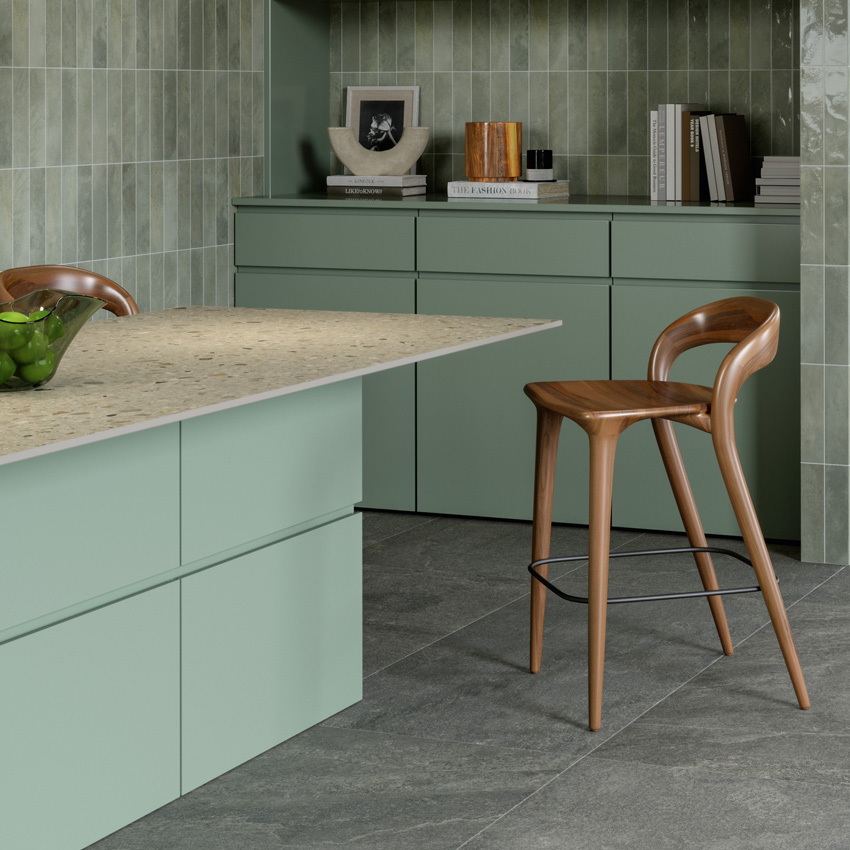
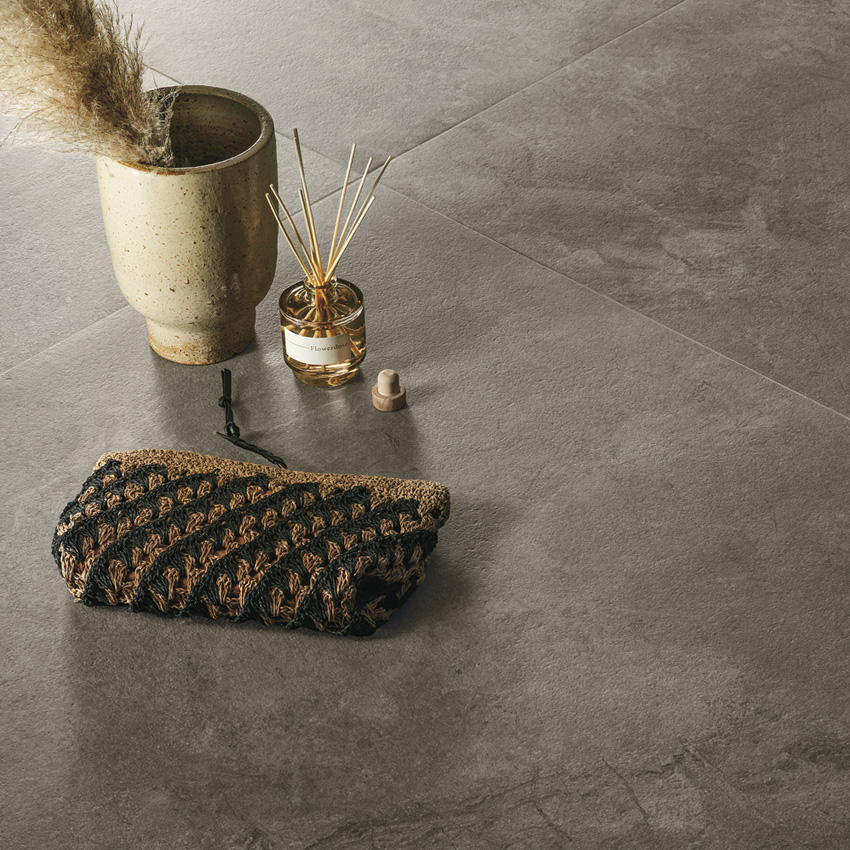
Natural stone was formed millions of years ago through heat, pressure, and erosion, making each piece uniquely beautiful, though it requires more care and maintenance. Porcelain tile, by contrast, is an engineered material with low porosity, exceptional durability, and superior scratch resistance.
| At A Glance | Natural Stone | Porcelain |
|---|---|---|
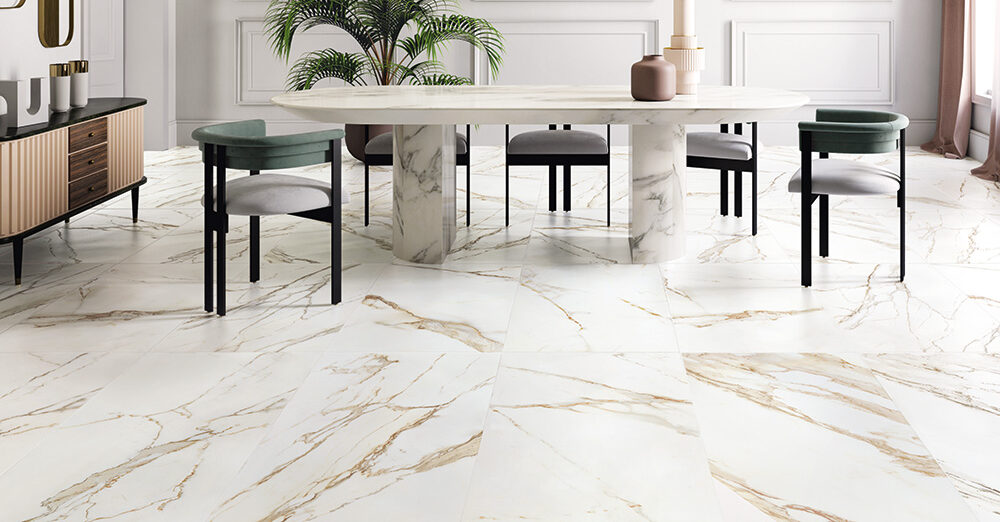
| Definition | Quarried from the earth — marble, travertine, limestone, slate, and granite are common varieties. | An engineered, kiln-fired clay product manufactured for a dense, consistent, non-porous body. |
| Character | One-of-a-kind veining and color variation; no two tiles are exactly alike. | Consistent from tile to tile; advanced printing can replicate the look of stone, wood, or concrete. |
| Porosity | Naturally porous to varying degrees; absorbs liquids and can stain without protection. | Water absorption of 0.5% or less — virtually impervious to moisture. |
| Durability | Durable, but softer stones (marble, travertine, limestone) can scratch or etch from acids. | Extremely hard and scratch-resistant; well-suited to heavy residential and commercial traffic. |
| Maintenance | Requires periodic sealing and pH-neutral, non- acidic cleaners. | Simple sweep-and-mop routine; no sealing required. |
| Best Uses | Feature walls, powder rooms, low-traffic luxury spaces where natural veining is the star. | Kitchens, bathrooms, showers, and high-traffic floors, indoors and out. |
Care & Maintenance
Natural Stone
- Seal at installation and reseal periodically — ask your GST consultant about the interval for your stone type.
- Clean only with a pH-neutral, stone-safe cleaner; never use vinegar, bleach, or other acidic or abrasive products.
- Wipe up spills (wine, citrus, oil) right away, especially on marble, travertine, and limestone.
- Use coasters, trivets, and furniture pads to prevent etching and scratching.
Porcelain
- Sweep or dust-mop to remove grit, then damp-mop with a pH-neutral cleaner.
- No sealing required for the tile body — only the grout needs periodic attention.
- Avoid abrasive scouring pads on polished porcelain finishes.
- Use walk-off mats at entries to reduce surface grit over time.
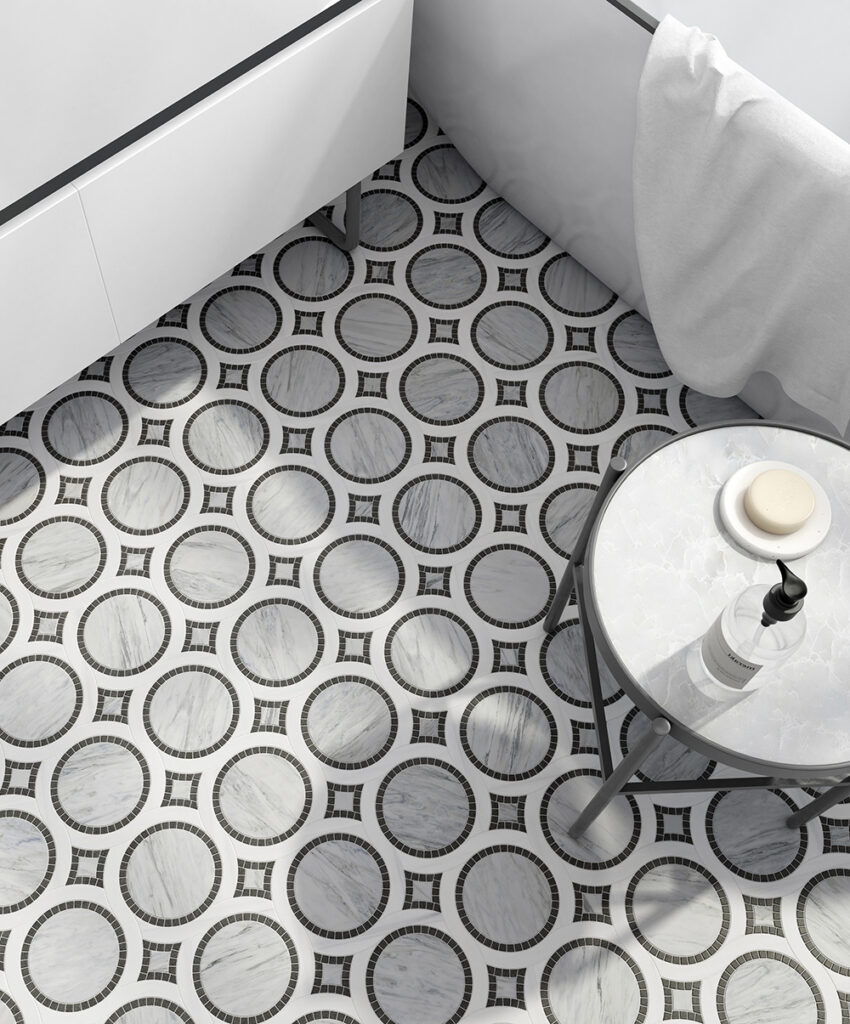
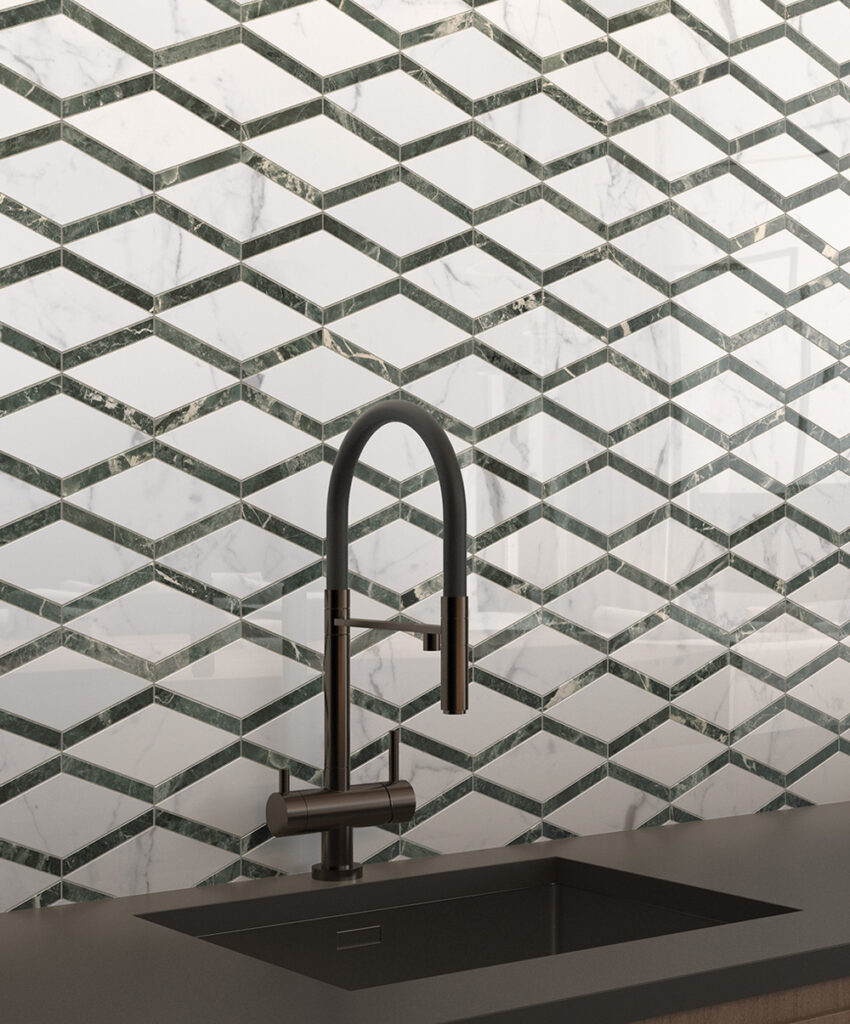
Natural Stone vs. Porcelain
Timeless, one-of-a-kind character versus engineered consistency and everyday ease — both have a place in a well-designed home.
Do’s & Dont’s
DO
- Ask which sealer and reseal schedule is right for your specific stone before you install.
- Choose porcelain for wet, high-traffic, or low-maintenance areas.
- Choose natural stone when one-of-a-kind veining is the design goal.
- Test cleaning products on an inconspicuous area first.
DON’T
- Don’t use vinegar, lemon, bleach, or other acidic cleaners on natural stone — they can etch the surface permanently.
- Don’t install unsealed natural stone in a shower or kitchen without discussing sealing with your consultant.
- Don’t assume all porcelain and all stone perform identically — finish and format both affect performance.
- Don’t use steel wool or abrasive pads on either material’s finished surface.
Ask Us…
Love the look of stone but want porcelain’s durability? Ask us about our stone-look porcelain collections.
This guide is for general reference; always confirm specifications with your GST design consultant and the manufacturer’s documentation.